
Maintenance Tips for Your Heating Oil Tank
Keeping your heating oil tank in top condition is essential for ensuring energy efficiency and preventing potential hazards. Regular maintenance can extend the life of your tank and ensure the safety of your home. In this article, we outline essential tips for maintaining your heating oil tank effectively.
Examining for Cracks and Leaks
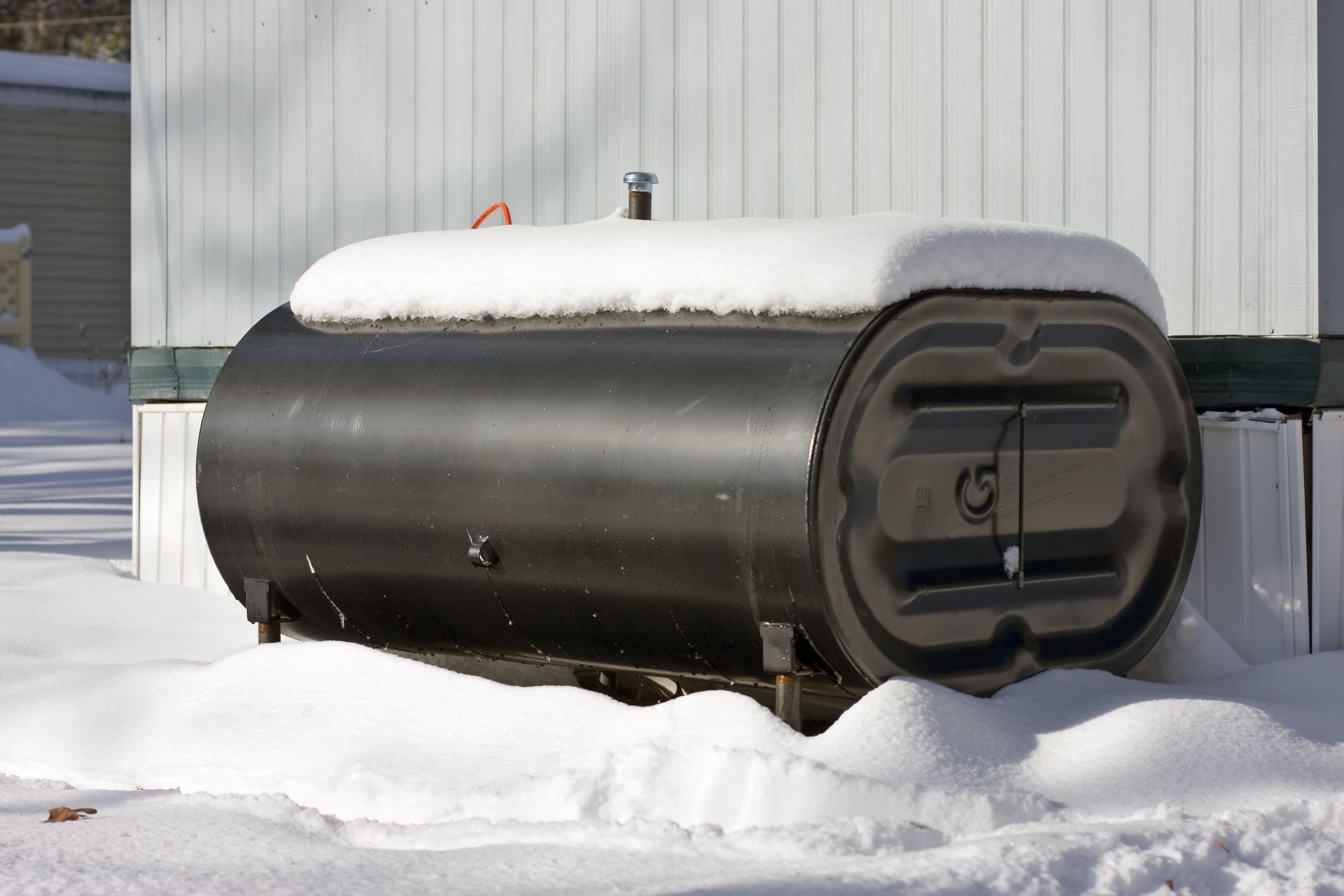
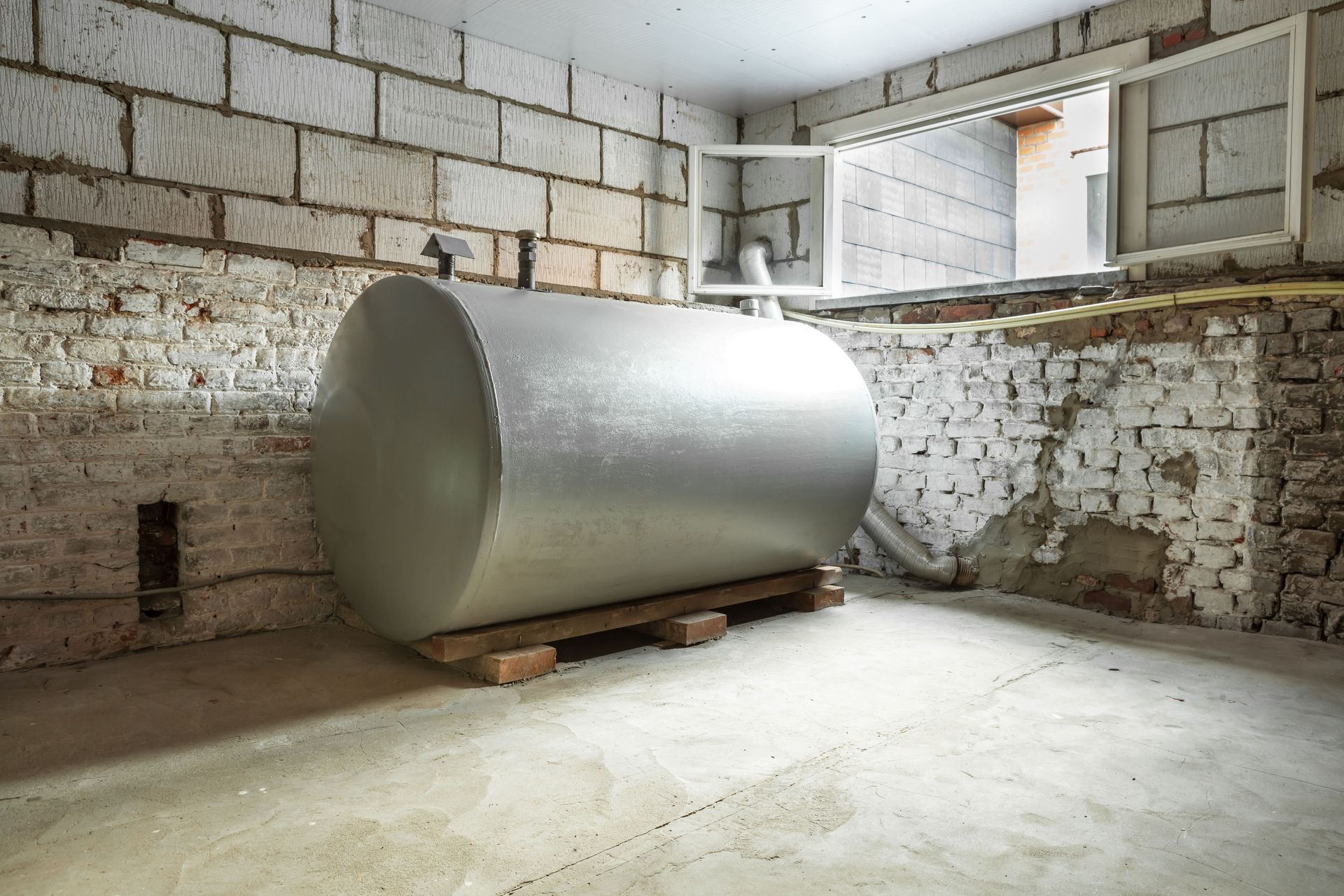
Regular visual checks of your heating oil tank are a critical first step to effective maintenance. By examining the surface for visible cracks or leaks, you can prevent minor issues from escalating into more severe problems. It's essential to check around any seams, welds, and connection points, as these are often more vulnerable to stress and pressure damage. Implementing a routine inspection schedule helps in catching degradation early, which is particularly important given that residential oil storage tanks typically have a lifespan of 20 to 40 years, according to InspectAPedia. Early detection not only saves money but also mitigates the risk of environmental contamination from leaks.
Leaks can significantly compromise the structural integrity of your tank. If left unchecked, even a small crack can result in the loss of heating oil, leading to inefficiencies and increased costs. Moreover, undetected leaks pose a potential threat to the surrounding environment, as they can contaminate soil and groundwater. Therefore, integrating visual inspection as part of a broader maintenance routine is both economically and ecologically beneficial. Ensuring that your tank remains robust and leak-free is crucial for long-term operation.
Checking for Corrosion
Corrosion is a significant concern for heating oil tanks, particularly those made of steel. Because these tanks are often exposed to varying temperatures and humidity levels, they can become viable environments for rust formation. Regular inspection for any signs of corrosion can prevent the tank from weakening over time. Even small patches of rust should be treated promptly to prevent them from expanding. A proactive approach to managing corrosion will help extend the tank's lifespan and maintain its functionality.
One method to manage and reduce corrosion is by applying protective coatings or using corrosion-resistant materials. Galvanized steel, for instance, offers enhanced resistance as compared to traditional steel. Additionally, tanks that are positioned outdoors may require more frequent inspections due to increased exposure to harsh weather conditions. Implementing protective measures can significantly minimize wear and tear, reducing the risk of leaks. Enhancing corrosion resistance ensures that the tank remains secure, durable, and effective for its estimated 20 to 40-year lifespan.
Inspecting the Legs and Platform
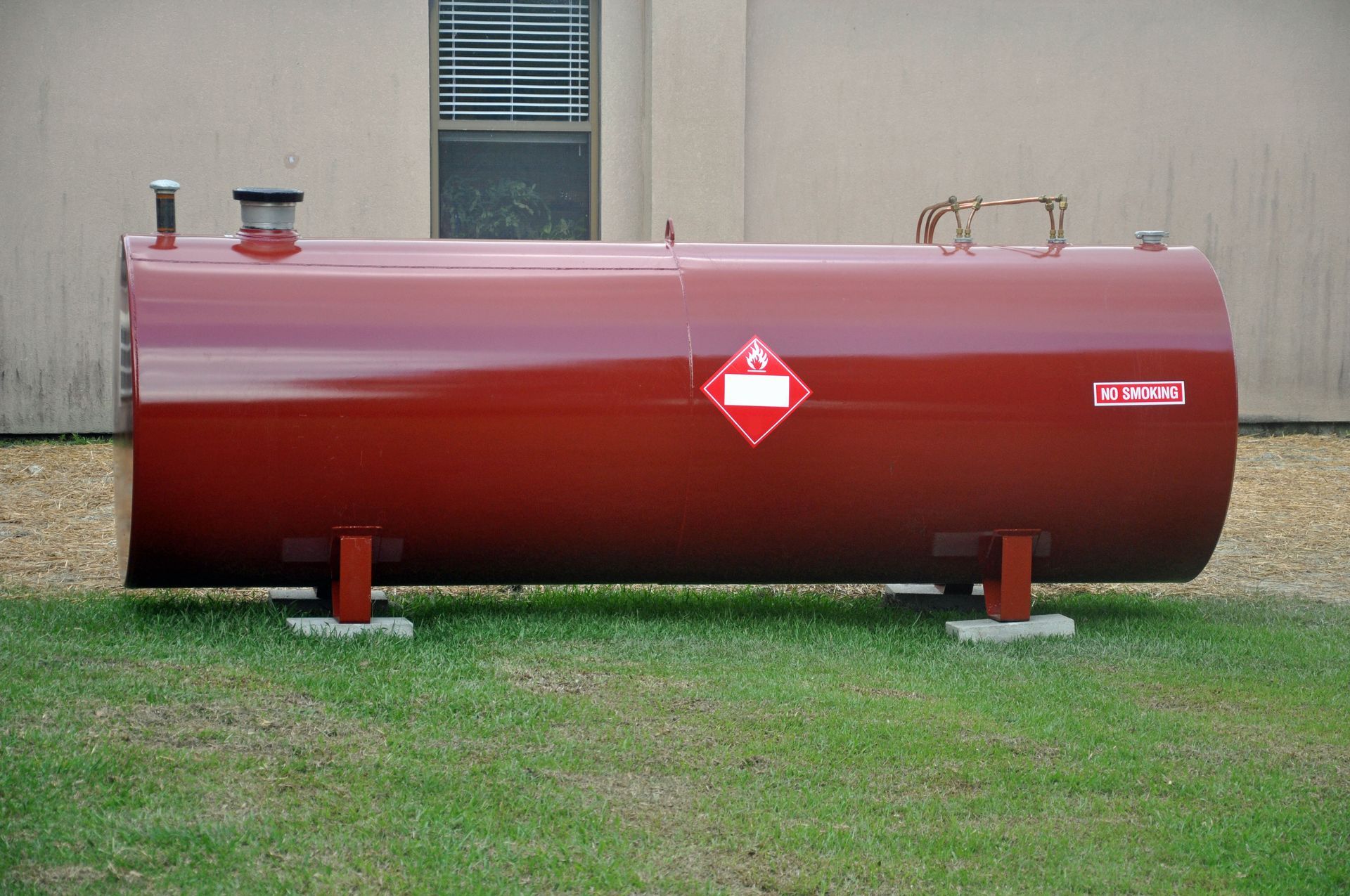
The stability of your heating oil tank heavily depends on its supporting structure, namely the legs and platform. Without proper support, the tank is prone to tilting or even collapsing, leading to disastrous consequences. Routine inspections of these components are necessary to ensure they remain strong and stable. Often, these structural elements are exposed to the elements and may deteriorate faster than other parts of the tank. Identifying and addressing issues with the legs and platform promptly will help avert costly repairs or accidents.
Ideally, the platform and legs should be made of robust, durable materials that can withstand heavy loads and various environmental conditions. Over time, exposure to moisture can cause rusting and deterioration, especially if the materials are not adequately treated. Check for signs of corrosion, warping, or any instability in the legs or platform. Addressing these issues early can prevent the tank from shifting or sustaining structural damage, thereby ensuring its longevity and safety. Moreover, maintaining a solid foundation prevents unnecessary stress and pressure on the tank.
Verifying the Fuel Gauge
Accurate fuel measurements are fundamental for maintaining your heating system's efficiency. A malfunctioning fuel gauge can lead to unexpected shortages or overestimations, affecting heating operations and budget management. Regularly verifying the fuel gauge ensures it displays the correct reading, allowing you to schedule refills and anticipate consumption accordingly. Identifying discrepancies early can prevent operational hiccups and maintain the efficiency of the heating system. Precise measurements are integral to strategic fuel management and maintaining a consistent heating supply.
If the fuel gauge readings appear inconsistent, it's crucial to inspect the gauge itself for any mechanical faults. Detach and inspect it for any damage, like stuck or misaligned components. Often, a simple adjustment or cleaning can rectify minor issues. If the gauge continues to malfunction, consider replacing it with a reliable model. Consistent and accurate fuel monitoring promotes a proactive approach to heating management, aligning with efficient usage and preventing surprises.
Assessing the Vent and Fill Pipes
The vent and fill pipes serve as crucial components in the operation and maintenance of a heating oil tank. They function to facilitate smooth airflow and filling processes, ensuring the efficient operation of the entire heating system. Routine checks allow you to identify signs of wear and tear, blockages, or leaks, which might impede functionality. Examining these pipes for damage or aging symptoms, like rust or deterioration, is essential for maintaining tank integrity. Regularly unclogging and cleaning these pipes is vital for seamless airflow, preventing pressure build-ups or overflow mishaps.
Improperly sealed or damaged vent pipes might lead to leakages, increasing environmental and safety risks. Leaks from these pipes can result in fumes escaping into the surrounding atmosphere, posing a health hazard. Ensuring proper sealing and compliant fittings with regulations limits exposure and risks. Additionally, condensation can accumulate, especially during colder months, requiring an enhanced maintenance routine. Adopting moisture and rust prevention techniques extends the lifespan of these integral features, maintaining the tank's seamless operation.
Draining Sediment Regularly
Sediment accumulation is a common issue that can drastically affect the efficiency of a heating oil tank. Over time, contaminants and particulates settle at the bottom of the tank, potentially obstructing fuel lines and reducing efficiency. Regularly draining the tank to remove sediments maintains optimal operation and prevents the system from overworking. The process involves safely venting and cleaning out these sediments, which usually requires professional assistance to manage effectively and safely. Factoring sediment drainage into the regular maintenance schedule helps to ensure the system runs smoothly and reduces the risk of unexpected breakdowns or maintenance needs.
Neglecting sediment build-up not only affects performance but can also foster corrosion inside the tank. Internal corrosion becomes a critical issue, compromising the tank’s walls and reducing its lifespan significantly. Tanks, particularly older ones, need careful monitoring to avoid progressive degradation. Given the tank's lifespan, depending on its material and maintenance regimen, consistent sediment drainage contributes significantly to its longevity. Therefore, consistent sediment drainage is not just about efficiency, but it's also crucial for managing the tank's health over its lifetime.
Using Appropriate Cleaning Solutions
Choosing the correct cleaning solutions for your
heating oil tank is critical to ensure a thorough and safe cleaning process. Improper cleaning agents can lead to chemical reactions, corroding the tank's interior walls and causing long-term damage. Specialized solutions are designed to dissolve sludge and residues without compromising the tank's structure or the quality of the stored oil. These agents help maintain the tank's optimal performance, reducing the potential for damage and increasing the oil's cleanliness. Ensuring that the cleaning methods and solutions used are compatible with your tank's materials is essential for effective, long-term maintenance.
Many professional cleaning services offer proprietary cleaning solutions tailored to specific tank needs;opting for such services guarantees that the most suitable techniques and products are used. This targeted approach not only removes existing residue but also helps prevent new buildups from forming. Proper cleaning ensures the oil remains free from contaminants, facilitating efficient combustion and reducing waste. This level of maintenance management also lessens the load on connected systems, promoting overall efficiency. Respect for the cleaning process, paired with intelligent product choice, implies prolonged serviceability of the tank and extended intervals between major maintenance events.
Maintaining your heating oil tank is essential for both safety and efficiency. Regular inspections for cracks, leaks, corrosion, and sediment buildup, along with checking structural supports, fuel gauges, and vent pipes, help prevent costly repairs and extend the tank’s lifespan. Using appropriate cleaning solutions and implementing a consistent maintenance schedule ensures your system operates smoothly and safely, while protecting your home and the environment. By taking these proactive steps, homeowners can enjoy reliable heating, lower energy costs, and peace of mind knowing their heating oil tank is in optimal condition. Contact us today at Tank Specialists Plus, LLC for more information.
Share On: