
Signs You Need Professional Underground Oil Tank Removal
Many older homes and commercial properties were built with buried heating oil tanks as part of their original heating systems. While these tanks were once considered efficient and convenient, age, corrosion, and environmental risks have turned them into significant liabilities for property owners. A deteriorating or abandoned oil tank can leak hazardous materials into the soil, contaminate groundwater, and create substantial clean-up costs. Because the warning signs are often subtle or difficult to identify without expertise, understanding when to call for professional underground oil tank removal is essential for protecting property value, complying with environmental regulations, and maintaining overall safety. Property owners who recognize early indicators of tank failure or soil contamination can address issues promptly and avoid costly damage. Working with a qualified company that specializes in residential and commercial oil tank services ensures that removal is handled safely, thoroughly, and in accordance with all state and federal guidelines.
Recognizing Evidence of Tank Age, Corrosion, and Structural Decline
One of the earliest signs that property owners should consider underground oil tank removal is the age of the tank itself. Most buried tanks were installed decades ago, long before modern environmental standards came into effect. With time, steel tanks naturally corrode due to soil moisture, shifting ground conditions, and chemical reactions that weaken the tank’s walls. Even tanks made with protective coatings cannot withstand decades of underground exposure. Once corrosion begins, leaks may develop slowly and go unnoticed for years.
Exterior indicators of tank age include sinking soil, depressions in the yard, or patches of dead vegetation above the tank’s location. These signs suggest that the tank may be deteriorating or causing soil contamination. Additionally, if homeowners notice an increase in heating oil consumption without changes in household usage, the discrepancy may signal a leak underground. As tanks age, seams and weld points become vulnerable to rust, making structural failure more likely.
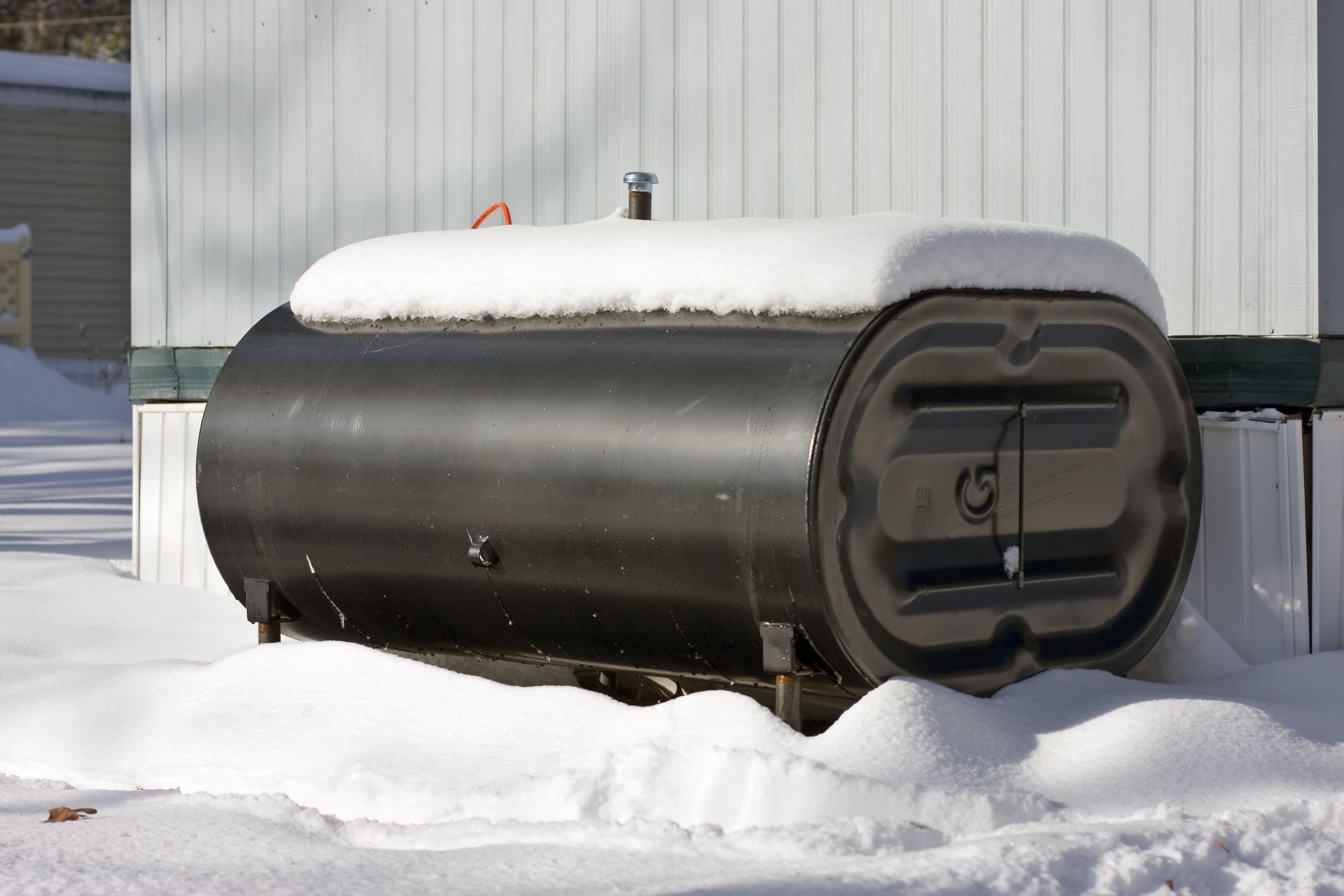
According to Hunker, standard residential heating oil tanks generally range in capacity from 275 gallons to 1,000 gallons. With such large volumes, even a small leak can release substantial amounts of oil into the soil, posing serious environmental hazards. A tank of this size nearing the end of its lifespan becomes a liability that should not be ignored.
Properties with limited or outdated documentation regarding tank installation are at higher risk as well. Many older homes have no record of when the tank was placed, serviced, or last inspected. Without knowing its age or condition, owners may unknowingly allow deterioration to continue. Professional inspections help determine whether the tank is safe to keep in operation or whether underground oil tank removal is necessary to prevent long-term damage.
Detecting Soil Contamination and Environmental Warning Signs
Soil contamination is one of the most serious indicators that a property requires immediate underground oil tank removal. Leaking oil can seep into the ground, migrate across property lines, and reach groundwater sources. This contamination not only poses environmental risks but also creates legal and financial consequences for property owners.
The first signs of contamination often appear around the tank area. Homeowners or business owners may smell petroleum odors in the yard, basement, or near the tank’s fill pipe. Stains around vent pipes, visible oil on the soil surface, or oily sheen in nearby puddles all point toward active leakage. In more advanced cases, indoor air quality may be affected, with persistent petroleum smells inside the home or building.
Changes in vegetation can also indicate contamination. Plants or grass directly above a leaking tank may turn yellow, wilt, or die due to exposure to petroleum products. Property owners might mistakenly assume the issue stems from natural lawn conditions or weather, but inconsistent patches of dead vegetation often signal underlying chemical damage.
Contaminated soil requires prompt site remediation to prevent further environmental harm. Companies specializing in residential and commercial oil tank services conduct environmental tests, including soil sampling and groundwater analysis, to identify the extent of contamination. If tests confirm petroleum presence, underground oil tank removal becomes necessary to halt further leakage and begin the clean-up process.
Identifying Property Damage and Structural Indicators of Hidden Leaks
Leaks from underground tanks not only harm the environment but can also cause structural issues within a property. As oil seeps into surrounding areas, it may migrate toward foundations, crawl spaces, or basements. When this happens, property owners may notice unexplained oil stains on basement walls or floors, damp spots near furnace areas, or unusual odors that seem to intensify near the home’s lower levels. Because oil vapors can travel through cracks and porous materials, even small leaks can create noticeable indoor effects.
Structural concerns also arise when soil shifts due to oil saturation. Soft or unstable ground near the tank site can cause patios, walkways, or driveways to develop cracks or sink unevenly. Uneven ground surfaces above the tank may indicate that the soil is absorbing oil or moisture, compromising the tank’s stability. These changes often occur gradually, making them easy to overlook until significant damage has occurred.
Professional technicians conduct detailed inspections using probes, pressure tests, and specialized leak-detection tools to determine whether structural or environmental issues are contributing to the tank's problems. If damage is confirmed, the removal of the underground oil tank becomes necessary to prevent further deterioration and protect the property.
Evaluating Compliance With Modern Standards and Insurance Requirements
Regulatory changes and increased awareness of environmental hazards have prompted many states and local governments to tighten guidelines on buried oil tanks. Older tanks were not designed with modern safety standards, making them more vulnerable to failure. As a result, many insurance companies now refuse coverage for damages caused by underground tanks or charge elevated premiums for properties that still rely on them. Some insurers require homeowners to remove older tanks before approving new policies.
Property owners planning to sell may encounter additional challenges. Buyers often request tank inspections or demand removal before closing due to environmental concerns and future liability. Failing to address these requests can significantly delay real estate transactions or reduce the property’s market value. Professional companies offering residential and commercial oil tank removals understand the regulatory landscape and help property owners achieve compliance. They handle necessary permits, coordinate environmental reporting, and ensure that tank removal meets all state, local, and federal standards.
Existing underground tanks that are no longer in use pose a particular risk because abandoned or forgotten tanks can deteriorate rapidly. Even tanks that were decommissioned improperly years ago may require removal today to meet updated standards. Proper abandonment procedures, which include cleaning, filling, and securing the tank, differ significantly from complete underground oil tank removal. A thorough evaluation ensures the correct procedure is performed based on the condition and age of the tank.
Relying on Professional Expertise for Safe Removal and Site Restoration
Because buried oil tanks pose structural, environmental, and legal risks, removal is a complex process that should never be attempted without professional assistance. Specialized companies offering residential and commercial oil tank services have the equipment, training, and certifications required to remove tanks safely. Their expertise ensures that excavation is performed without causing additional contamination or property damage.
Ultimately, recognizing the signs that you need underground oil tank removal is essential for protecting your property, preventing environmental harm, and avoiding costly liability. By staying alert to indicators of tank age, contamination, structural issues, and regulatory concerns, homeowners and businesses can take timely action. Working with qualified professionals ensures that removal and remediation are completed safely, thoroughly, and in accordance with all required standards, giving property owners peace of mind and long-term protection. Call Tank Specialists Plus, LLC to schedule your underground oil tank removal today!


Share On: