
Why Heating Oil Tank Maintenance Is Important for Your Home
Heating oil tanks are crucial components of home heating systems, especially in regions where natural gas is less accessible. Regular maintenance of a heating oil tank ensures not only the safety and longevity of the tank itself but also the overall efficiency of the home heating system. Neglecting this aspect of home care can lead to significant, costly consequences. Homeowners who rely on fuel oil must prioritize maintenance to safeguard their living spaces and avoid environmental hazards. Understanding the requirements of tank care is the first step toward harnessing the full benefits of your system.
This article provides comprehensive insights into the various aspects of proper tank care. By addressing the importance of regular check-ups, homeowners can mitigate risks like oil leaks and environmental hazards while maintaining economical heating. Proper maintenance serves as a proactive measure that prevents potential financial burdens and fosters a safer living environment. Establishing systematic strategies leads to long-term cost savings and improved equipment performance, making routine servicing an essential practice for every household.
From understanding the basic structure and lifespan of heating equipment to recognizing the value of professional expertise, this article serves as an essential guide for homeowners. Readers will learn how to conduct visual checks, navigate state regulations, and explore modern servicing technologies. By taking preventative measures, you will be equipped with the knowledge to manage your home heating oil tank effectively, ensuring safety, efficiency, and peak performance for years to come.
Understanding the Basics of Heating Oil Tanks
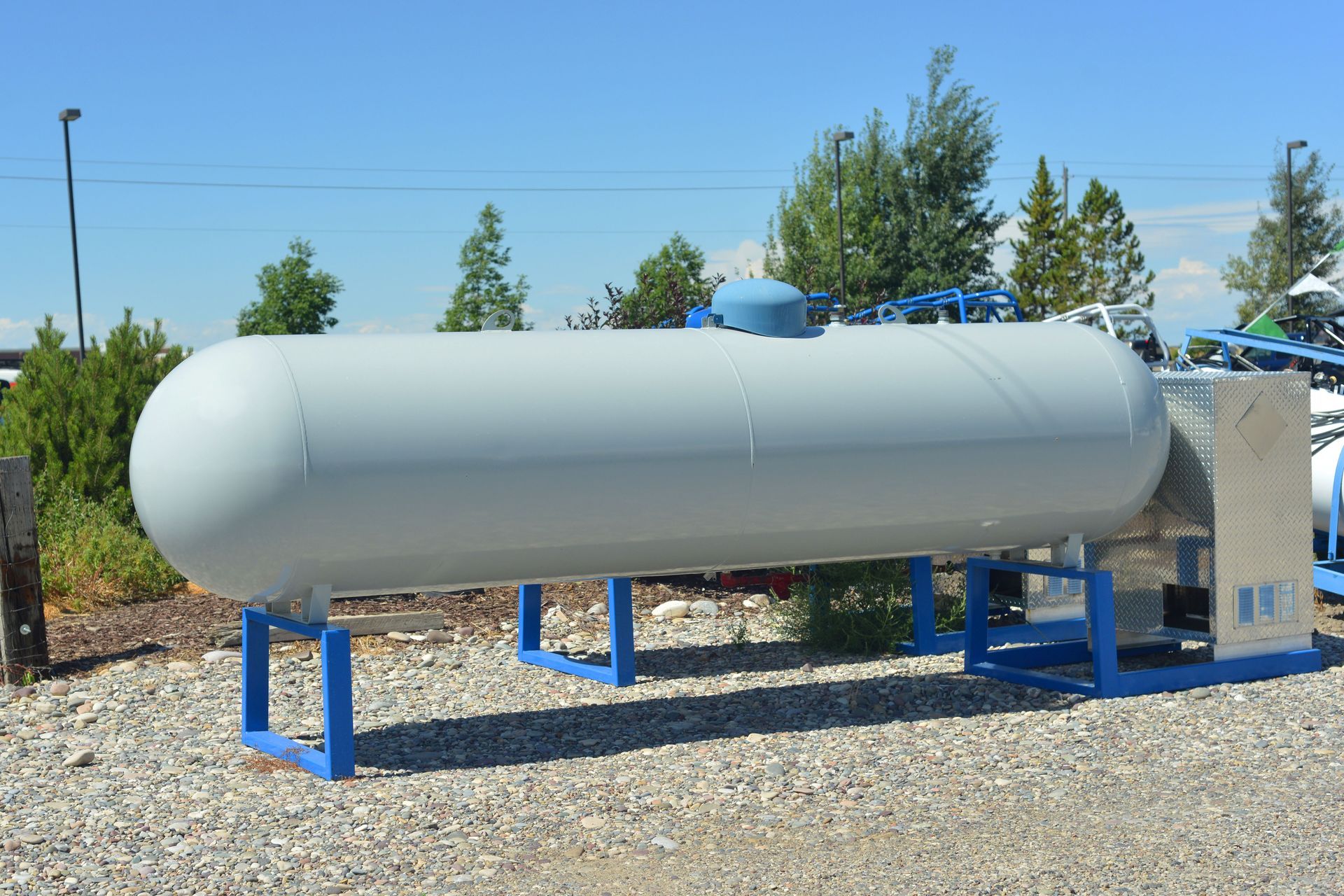
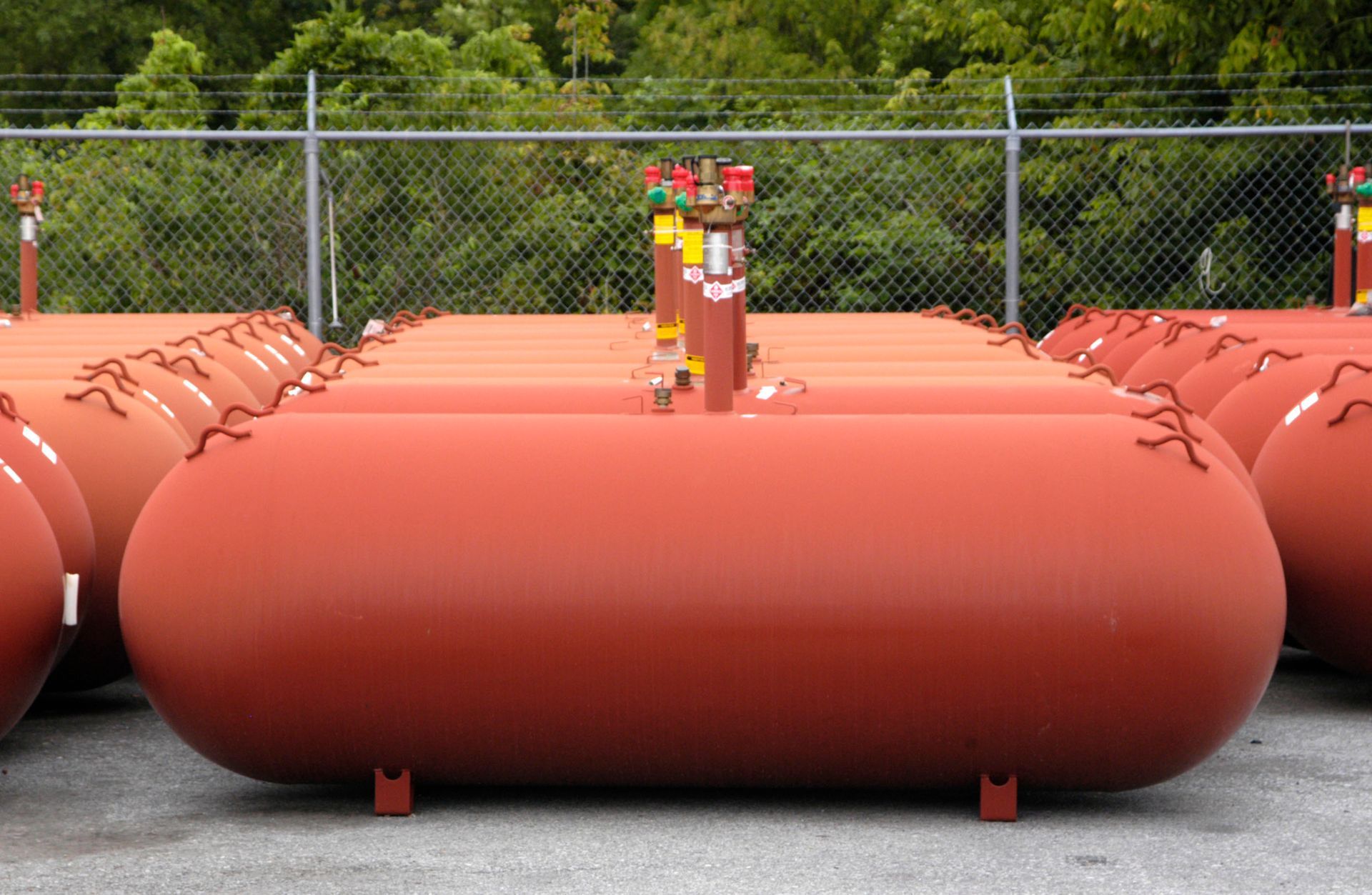
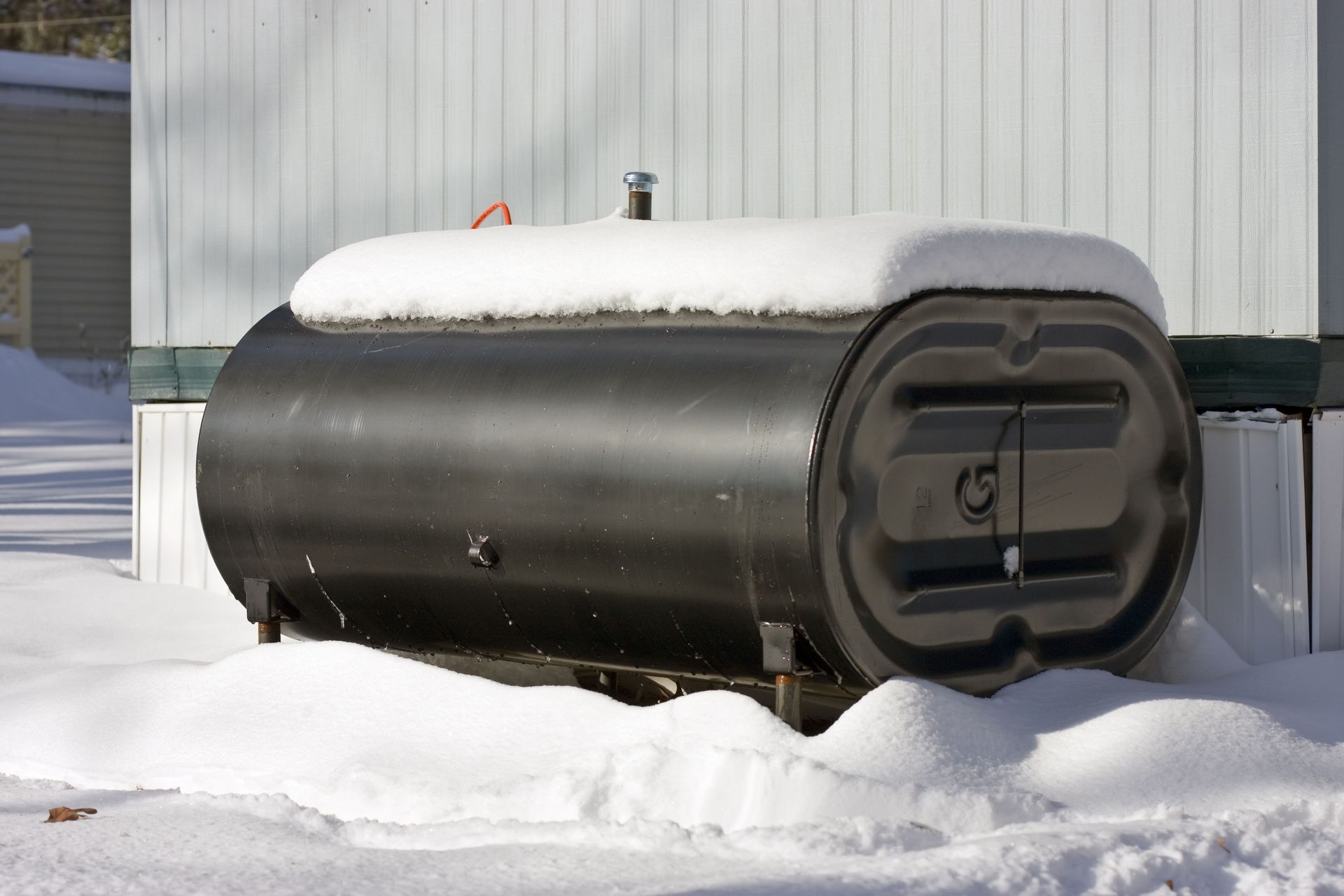
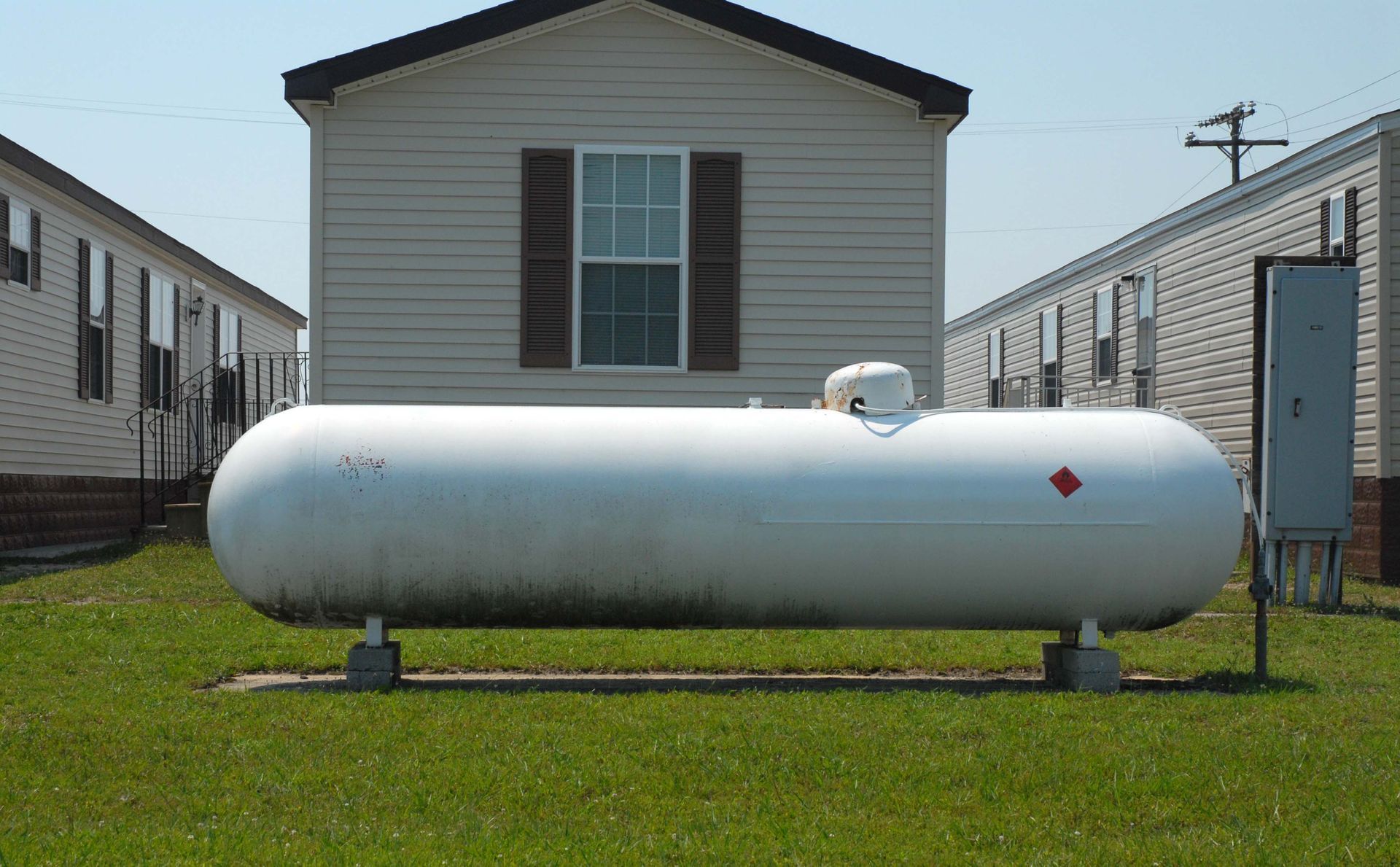
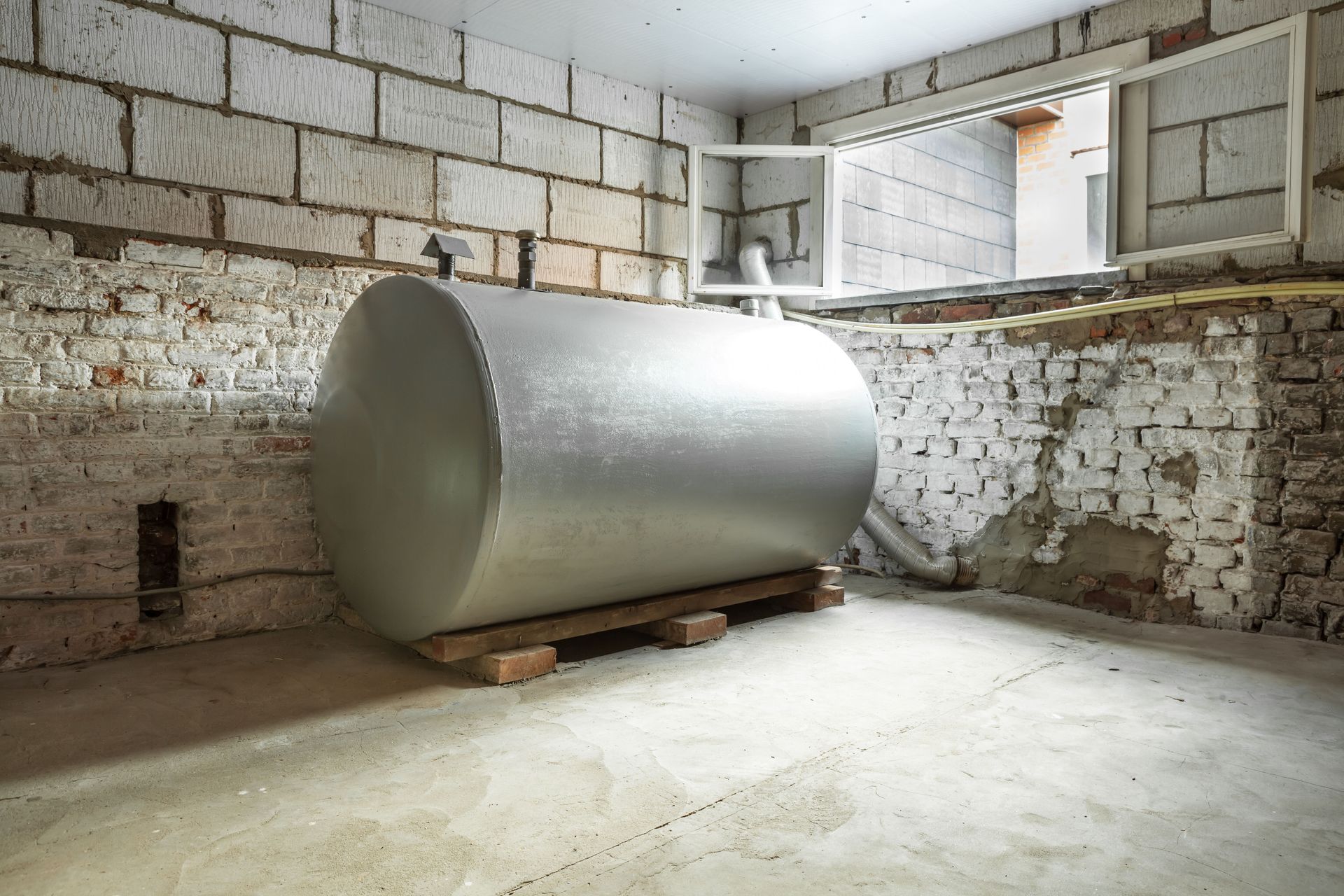
Heating oil tanks come in various types, each with specific advantages and ideal applications. The two primary designs are above-ground and underground models. Above-ground units are generally easier to inspect and maintain, offering convenience for routine checks. In contrast, underground options are less visually intrusive but demand specialized techniques to detect corrosion or structural wear. Material composition also plays a major role in durability. Steel and fiberglass are the primary choices; steel offers robust structural strength but requires rust prevention, while fiberglass resists corrosion but must be protected from physical impacts.
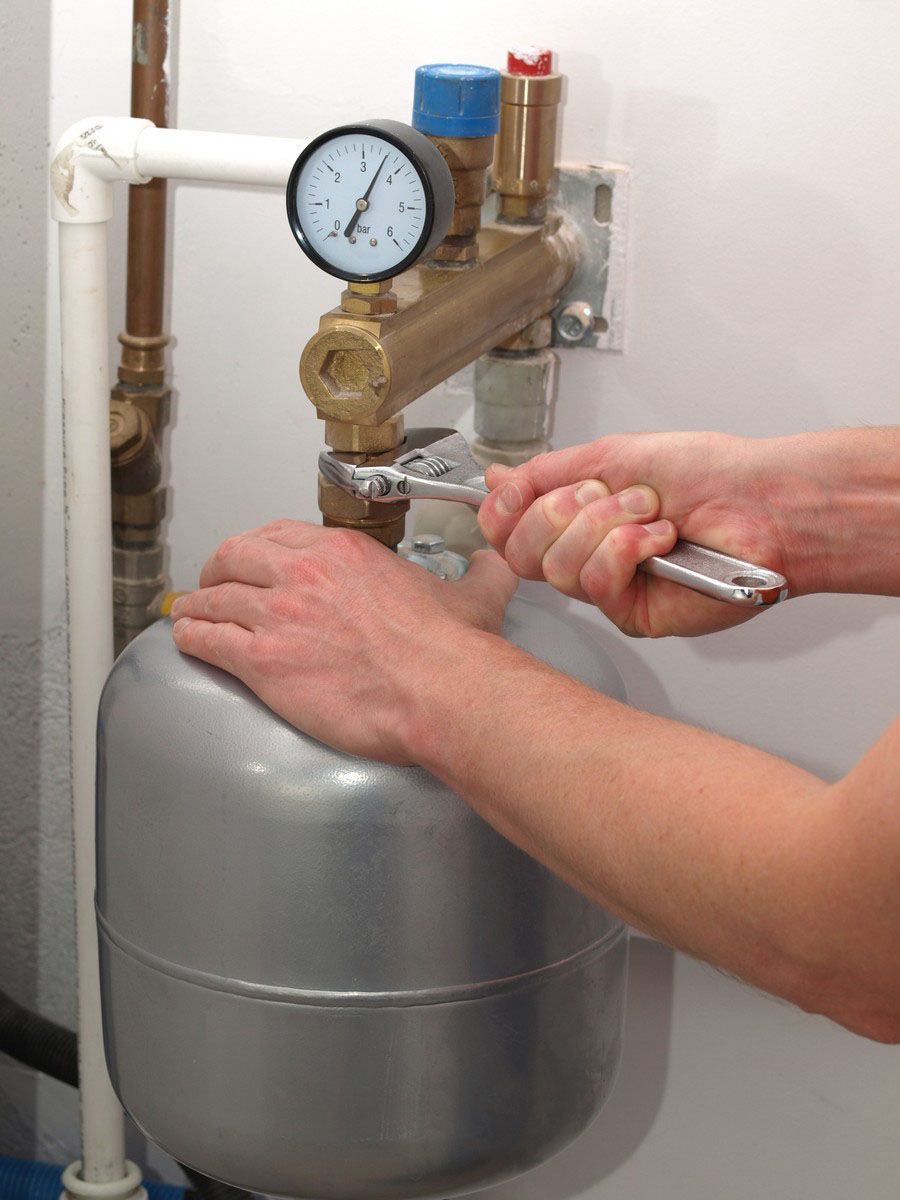
According to the National Council on Energy, 4.25% of American households use heating oil for their residential heat. These systems rely on several key components working in unison, including the main shell, fill pipe, vent pipe, gauge, and supply lines. The tank shell holds the fuel, while the fill and vent pipes allow for safe deliveries and proper airflow. Supply lines transport fuel directly to the burner. Monitoring these parts ensures that the heating oil tank functions cleanly without unexpected operational interruptions.
Typical care involves periodic inspections, filter changes, and sludge removal to prevent line blockages. Steel models typically carry a lifespan of 15 to 20 years, whereas fiberglass alternatives can endure for 30 years or more when maintained properly. Furthermore, local codes regulate clearance distances, spill containment, and replacement timelines. Staying compliant with regional standards protects property values, guarantees insurance coverage, and ensures safe home heating operations throughout the colder months.
Recognizing the Consequences of Neglecting Maintenance
Neglecting a heating oil tank significantly raises the risk of severe fuel leaks, which can cause extensive environmental damage. Oil spills contaminate nearby soil and groundwater, resulting in complex ecological hazards and expensive cleanup liabilities. Additionally, petroleum vapors escaping from degraded lines degrade indoor air quality and present serious flammability risks within enclosed home spaces. Consistent upkeep prevents structural failure, safeguarding both your family and the surrounding ecosystem.
Accumulated sediment and internal corrosion force heating systems to work harder, dramatically increasing seasonal fuel consumption. Clogged fuel lines and dirty filters disrupt combustion efficiency, leading to uneven home heating and frequent equipment breakdowns. These operational inefficiencies translate directly into higher utility bills and costly emergency repairs, placing an unnecessary financial strain on homeowners during peak winter periods.
The long-term financial fallout of system neglect extends far beyond higher monthly energy charges. Unaddressed corrosion leads to premature structural failure, forcing complete equipment replacements years before their natural lifespan expires. Unmaintained systems also depreciate real estate value and can complicate home sales during buyer inspections. Investing in routine preventative care eliminates sudden capital expenditures, yielding sustained financial predictability and peace of mind.
Executing Routine Homeowner Inspection Procedures
Conducting regular visual inspections allows homeowners to identify minor surface issues before they turn into major structural failures. Check the exterior shell for signs of rust, blistering paint, or physical dents. Look closely at the ground beneath the unit for oil stains, damp spots, or dark soil discoloration. Examining the fill pipe, vent cap, and fuel lines ensures that fittings remain tight and uncompromised by severe weather or pest activity.
Internal sediment buildup remains an unseen threat that requires regular monitoring. Condensation inside the vessel settles at the bottom, promoting bacterial growth and internal rust that can ruin fuel quality. Using specialized water-finding paste on a measuring stick allows homeowners to detect water accumulation quickly. Draining standing water and treating fuel with stabilized additives prevents sludge from entering supply lines and clogging furnace nozzles.
Homeowners should also establish a consistent seasonal maintenance calendar to streamline system care. Preparing equipment before winter involves verifying fuel levels, clearing vent pipes of debris, and inspecting emergency shut-off valves. Keeping detailed records of inspection dates, fuel deliveries, and minor repairs helps track equipment performance over time, making it easier for technicians to diagnose subtle operational changes during professional service visits.
Partnering With Professional Servicing Technicians
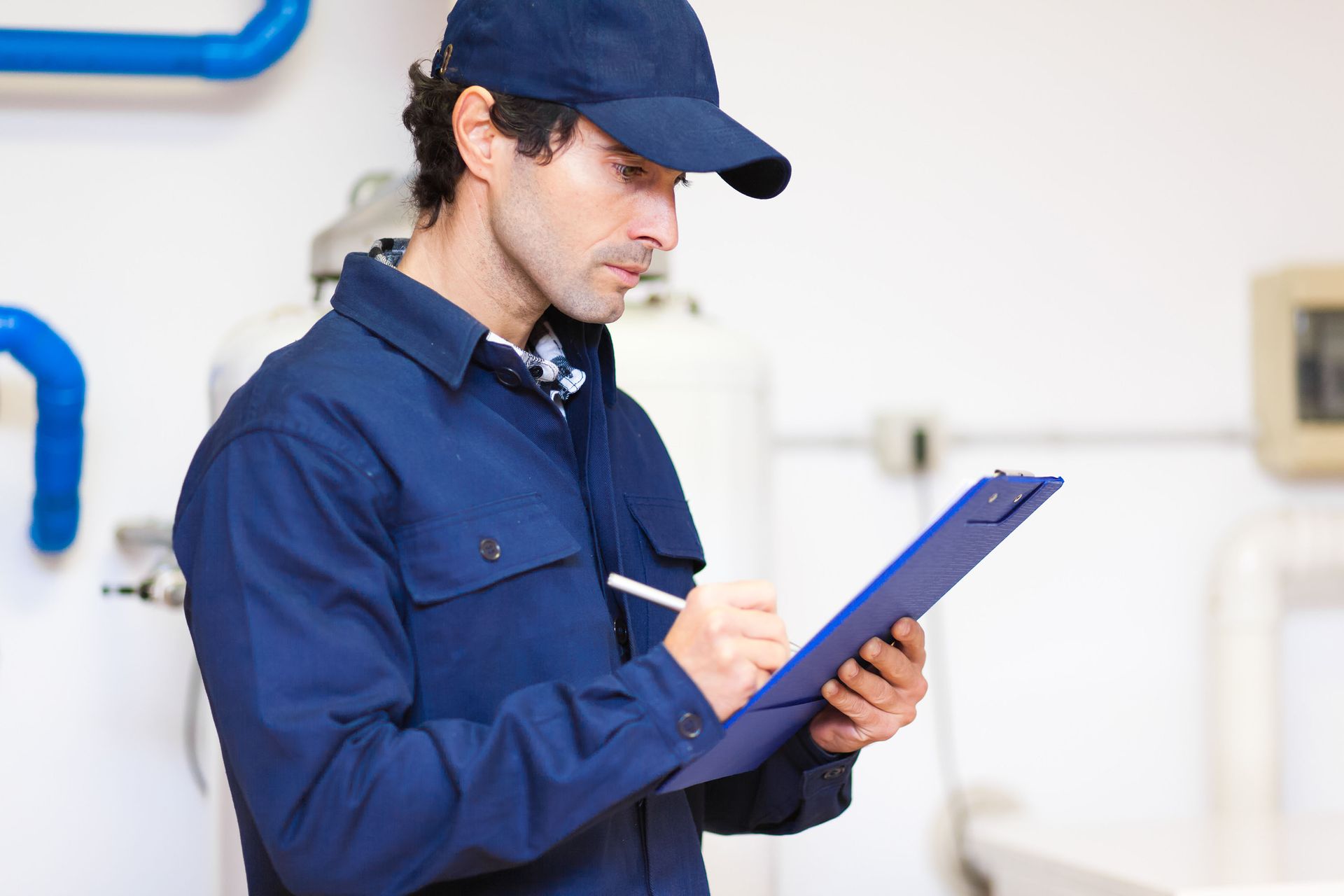
While basic visual checks can be performed by homeowners, hiring certified technicians ensures comprehensive system safety. Professional specialists utilize advanced diagnostic tools, such as ultrasonic testing equipment, to measure shell thickness and identify internal corrosion hidden from sight. Certified technicians possess the technical expertise required to evaluate burner efficiency, recalibrate controls, and execute complex line repairs safely without risking fuel spills.
Annual professional tune-ups include deep cleaning of internal burners, replacing fuel filters, inspecting heat exchangers, and testing emergency safety valves. Technicians verify that the heating oil tank adheres strictly to updated environmental codes and local safety regulations. Identifying subtle structural weaknesses early allows experts to perform minor corrective measures, preventing catastrophic failures and extending overall system longevity.
Selecting a qualified service provider involves checking for proper licensing, industry certifications, and comprehensive liability insurance. Established heating specialists offer tailored maintenance agreements that cover routine tune-ups, priority emergency responses, and regular system audits. Relying on professional guidance ensures that your heating infrastructure remains safe, compliant, and operating at peak energy efficiency throughout its service life.
Upgrading and Modernizing Tank Systems
Advancements in modern heating technology offer superior monitoring tools and double-walled tank designs that virtually eliminate leak risks. Smart fuel gauges connect to home Wi-Fi networks, providing real-time fuel level tracking and automated alerts when maintenance or refills are needed. Upgrading to corrosion-resistant materials or double-walled polyurethane enclosures offers maximum environmental protection and long-term peace of mind.
Replacing an aging unit requires proper planning, complete fuel transfer, and adherence to strict hazardous waste disposal guidelines. Certified professionals safely pump out remaining fuel, decommission old vessels, and install updated infrastructure compliant with current building codes. Timely replacement eliminates the constant threat of structural failure, ensuring reliable home comfort without unexpected winter disruptions.
Modernizing your heating system enhances overall energy performance, lowers operational expenses, and increases total property value. Modern units integrate seamlessly with high-efficiency burners, minimizing overall fuel consumption and reducing residential carbon footprints. Taking a proactive approach to system upgrades protects your financial investment while supporting sustainable home heating practices. For more information about the services that we offer, reach out to our incredible team at Tank Specialists Plus LLC today!
Share On: