
How to Choose the Right Size Heating Oil Tank for Your Property
Choosing the right tank size is essential when planning a residential heating system. Factors such as property size, heating demands, available installation space, and household energy use all influence the decision. An appropriately sized heating oil tank can accommodate seasonal needs without taking up unnecessary space. For New York homeowners preparing for colder weather, evaluating capacity and installation requirements is especially important when installing a new unit or replacing an existing one.
Understanding Standard Tank Sizes
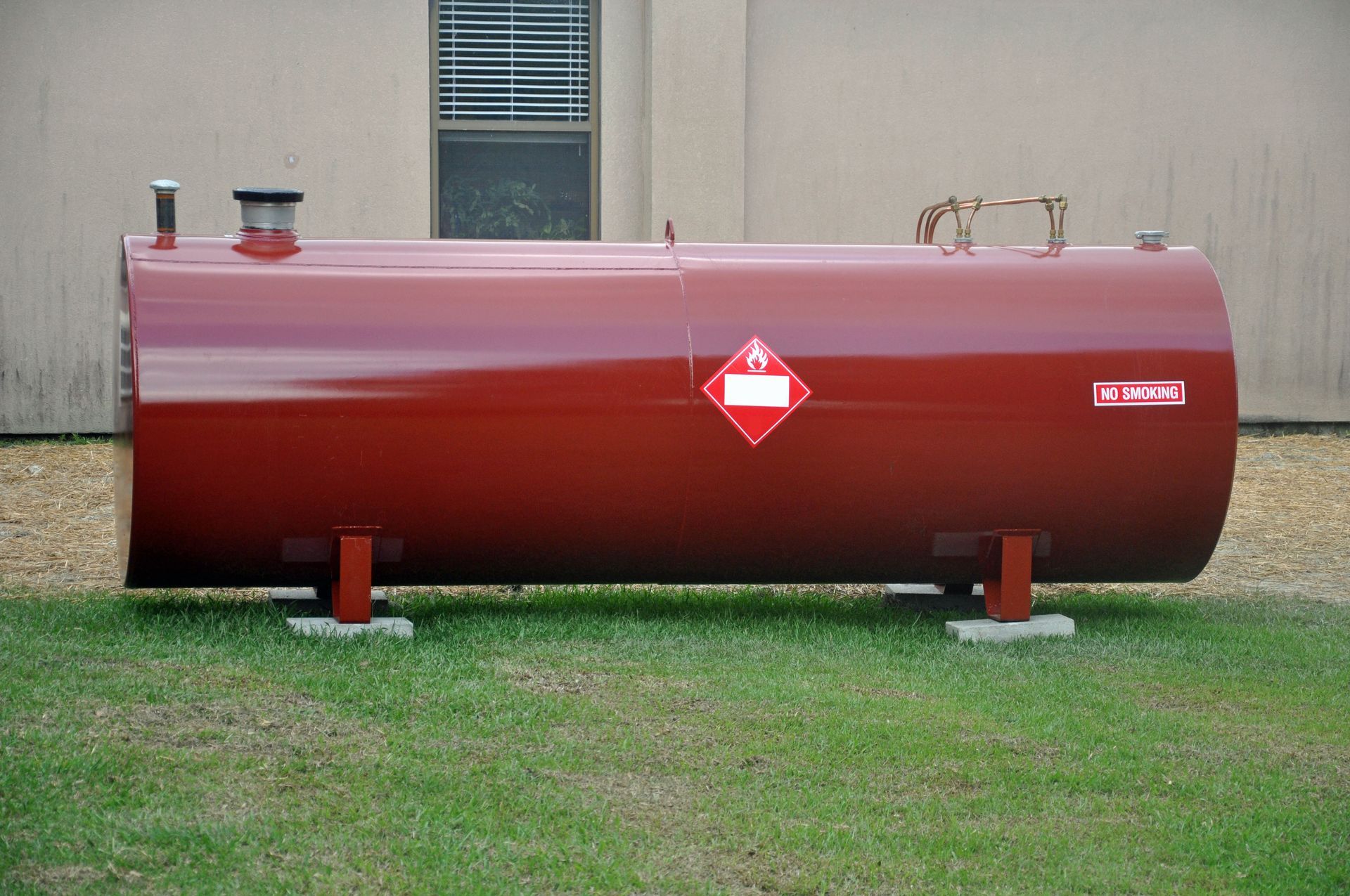
Residential tanks are available in several capacities to accommodate different properties and heating requirements. According to Hunker, residential heating oil tanks typically have capacities ranging from 275 to 1,000 gallons. These options provide flexibility for homeowners with different space limitations and household heating demands.
A common residential option is the 275-gallon model, which is frequently found in homes with conventional heating arrangements. Larger properties or households with greater fuel storage requirements may need a higher-capacity option. However, choosing a larger model does not automatically make it the best choice. The available space, installation requirements, and expected consumption should all influence the decision.
Understanding the available sizes provides a starting point for evaluating which option may suit a particular property. A professional assessment can help determine whether an existing capacity remains appropriate or whether a different size would better accommodate the home's requirements.
Evaluating Property Size and Heating Needs
The size of a home can influence how much heating fuel its occupants use throughout the year. Larger properties generally have more space to heat, although square footage alone does not determine consumption. Insulation quality, window efficiency, ceiling height, and the condition of the heating equipment can also affect overall demand.
For example, two homes with similar square footage may have different heating requirements because of their construction and insulation. A well-insulated property may retain warmth more effectively, while an older home with drafts or limited insulation may require more energy to maintain comfortable indoor temperatures.
Household routines can also influence heating needs. The number of occupants, preferred indoor temperatures, and frequency of heating system use may affect seasonal consumption. Considering these details helps establish a more realistic picture of the storage capacity a property requires.
When evaluating a heating oil tank, homeowners should consider their property's actual heating patterns rather than relying on square footage alone. A professional can review these factors and help identify a suitable capacity based on the home's circumstances.
Considering Seasonal Heating Requirements
New York winters can bring extended periods of cold temperatures, making dependable heating an important part of residential property planning. Heating demand often increases during the colder months, particularly when temperatures remain low for several consecutive days.
Seasonal conditions should be considered when selecting storage capacity. A household with substantial winter heating requirements may benefit from a larger storage option if the property has sufficient installation space and the system can accommodate it. Conversely, a smaller property with lower consumption may not require as much storage.
Homeowners should also consider how their heating requirements change throughout the year. Fuel consumption may decrease during warmer months, while winter conditions can create greater demand. Evaluating these seasonal patterns helps establish a storage capacity that makes sense over the entire heating season.
When replacing an existing unit, reviewing its previous performance can provide useful information. Homeowners may already have an understanding of their property's seasonal consumption and whether the current capacity has been adequate. This information can help guide decisions about replacement size.
Assessing Available Installation Space
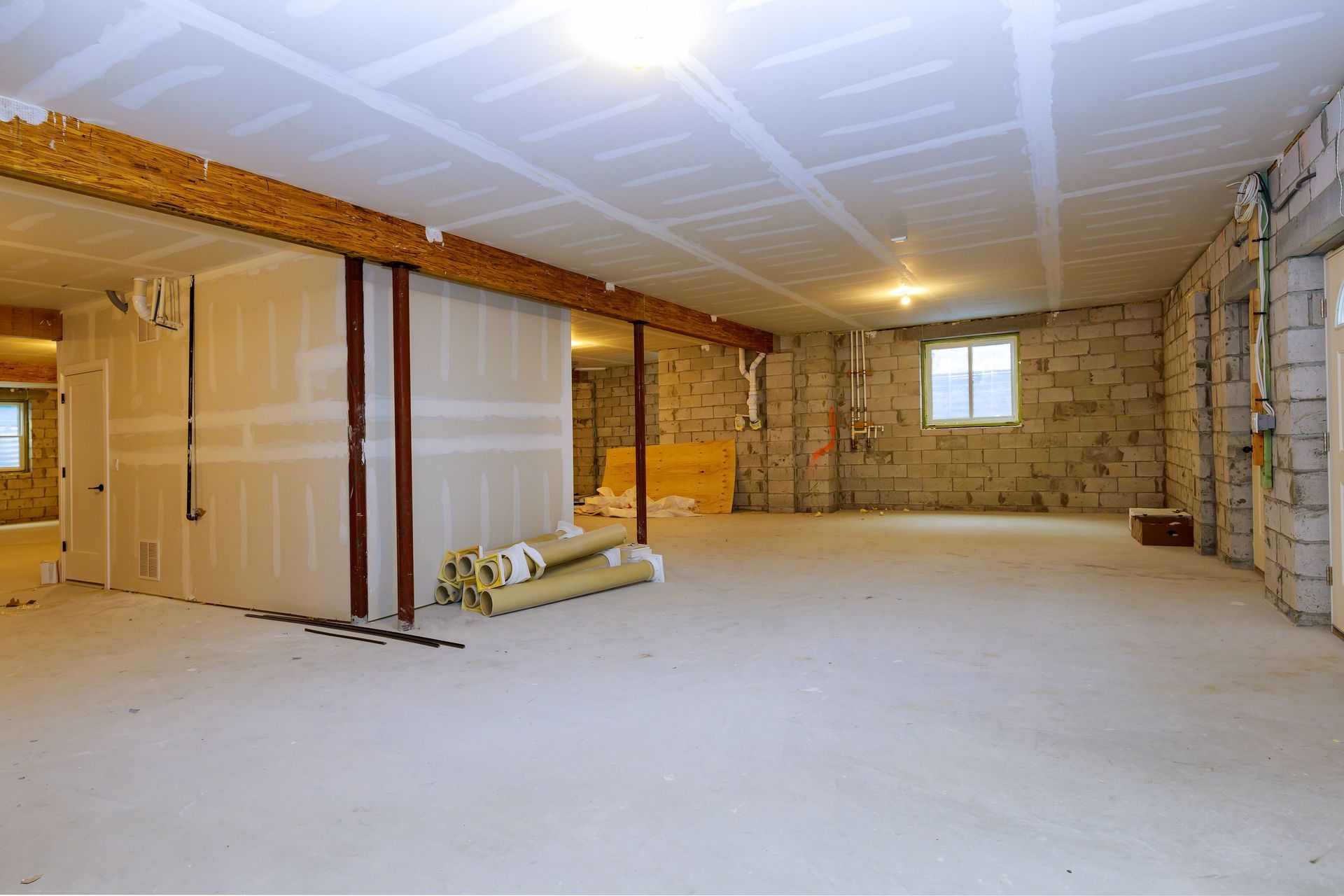
Available space is another important consideration when selecting a tank. Residential properties may have different installation arrangements, including basement, garage, and outdoor locations. Each setting presents specific considerations involving dimensions, access, clearances, and applicable installation requirements.
A larger unit may offer additional storage capacity, but it also requires more room. The installation area must accommodate the heating oil tank's dimensions while allowing appropriate access for inspection, maintenance, and future replacement. Existing structures, doorways, utility equipment, and other nearby features may influence which sizes are practical.
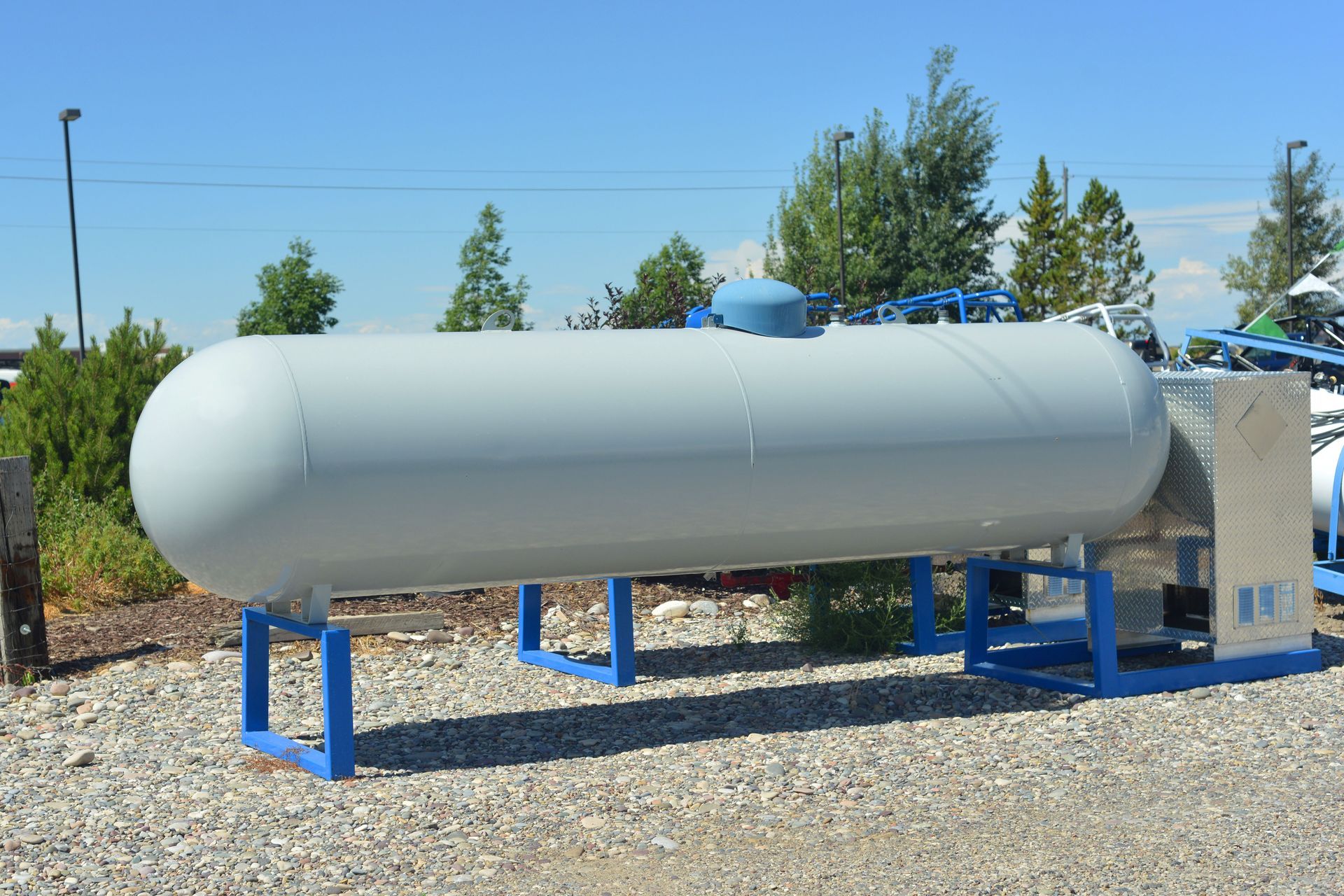
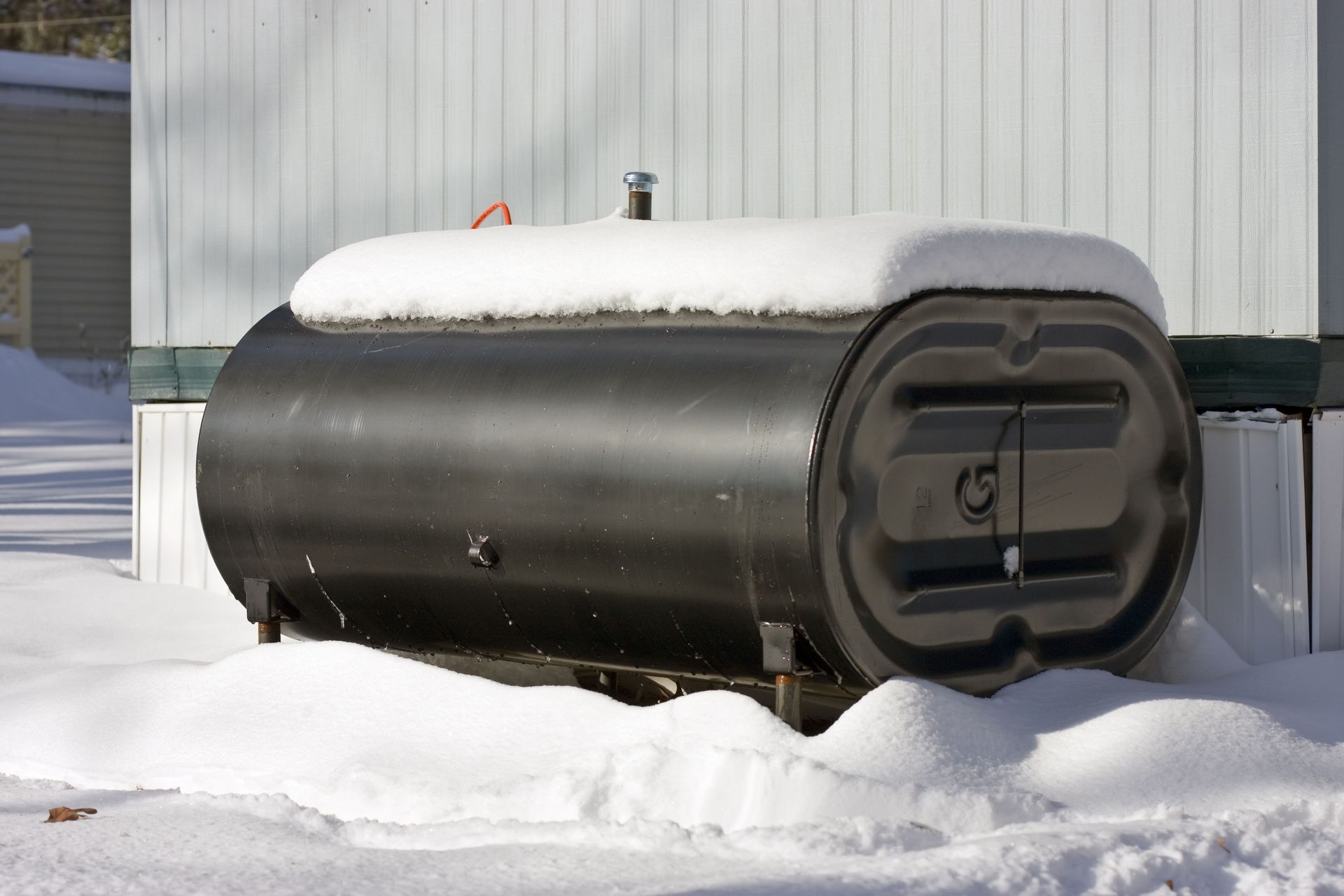
Outdoor installations require additional attention to site conditions and exposure. The installation location should be evaluated for its suitability, including applicable safety requirements and local regulations. Indoor installations also require careful consideration of the surrounding structure and access points.
Professional measurements can help determine which options fit the available space. This assessment is particularly important when replacing an older unit because newer models may have different dimensions or installation requirements.
Comparing Replacement and Installation Options
A replacement project provides an opportunity to reconsider whether the existing capacity still meets the property's needs. Changes in household size, renovations, insulation improvements, or heating equipment may have affected fuel consumption since the original unit was installed.
If the current system has consistently provided sufficient storage, a similar capacity may remain appropriate. However, a homeowner who has experienced changes in heating demand may benefit from evaluating alternative sizes. The goal is to select an option that reflects current property requirements rather than automatically repeating the previous configuration.
Tank condition is another consideration. Corrosion, visible damage, leaks, and age-related deterioration may indicate that replacement should be evaluated. An older unit may also have installation limitations that make a different model more suitable.
During a heating oil tank replacement, professionals can assess the existing installation, discuss available options, and determine the appropriate approach for the property. This process helps homeowners understand how capacity, dimensions, and installation conditions work together.
Reviewing Safety and Installation Requirements
Selecting the right capacity involves more than comparing gallon measurements. Installation requirements, local regulations, and the physical condition of the property must also be considered. A properly selected unit needs to meet applicable standards and be suitable for its intended location.
Professional installers evaluate factors such as the supporting surface, surrounding structures, accessibility, and required clearances. They can also identify conditions that may affect the installation process, including limited access or the need to remove an existing unit before positioning a replacement.
For New York property owners, local requirements may vary depending on the municipality and installation circumstances. Working with an experienced tank installation company helps ensure these considerations receive appropriate attention before the project begins.
Proper installation also supports the long-term condition of the equipment. Choosing a suitable capacity and installation location can help homeowners avoid unnecessary complications as the system is used over time.
A tank should meet both current and reasonably anticipated heating requirements. Homeowners planning renovations, additions, or improvements to insulation may want to consider how those changes could affect future energy use.
Property plans and budget considerations can also influence the right heating oil tank size. Homeowners planning to stay long-term may prioritize future heating needs, while those preparing to sell may focus on the system's condition and suitability. Installation costs also vary based on capacity, model, location, site preparation, and removal requirements.
Consulting a qualified professional helps homeowners compare available options and select a tank that meets their property's current needs while accommodating future considerations.
Choosing the right storage capacity is an important decision when installing or replacing residential heating equipment. Property size, seasonal demand, available space, and future household needs all contribute to finding an appropriate solution.
Tank Specialists Plus, LLC provides tank installation, removal, and replacement services for property owners in New York, helping homeowners evaluate their options based on their property's requirements. Contact the team to discuss your project and explore the right tank solution for your property.

Share On: