
What Actually Happens to Your Leftover Fuel During an Oil Tank Removal?
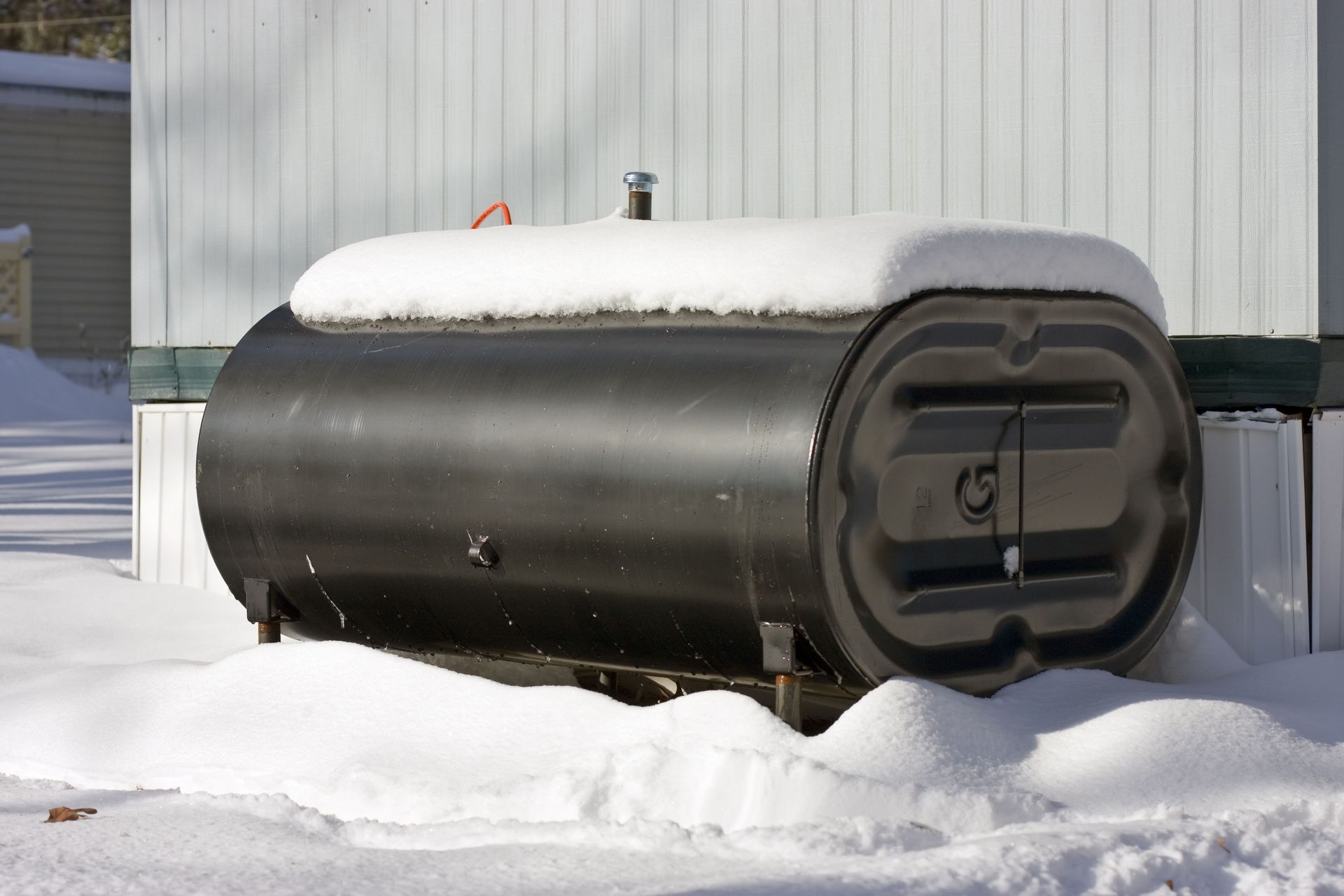
Removing an old fuel storage tank involves more than disconnecting equipment and taking the structure off the property. One important part of the process is determining what happens to the fuel remaining inside. Whether a tank is being replaced because of age, damage, or a property renovation, handling leftover fuel requires careful planning and appropriate procedures.
For homeowners in New York, understanding this process can make an upcoming project feel more manageable. Professional oil tank removal involves evaluating the existing tank, addressing its remaining contents, and following applicable safety and disposal requirements. The amount of fuel present, its condition, and the type of tank can all influence how the work is handled.
Understanding Why Fuel Remains in an Old Tank
A fuel storage tank may still contain oil when it reaches the end of its service life. Even when a heating system is no longer operating, some fuel may remain at the bottom of the tank or within its internal components. This can happen when a system is replaced, a property changes ownership, or a homeowner switches to a different heating arrangement.
The remaining contents may include usable fuel, water, sediment, and other accumulated material. Over time, condensation and normal storage conditions can contribute to the buildup of water and sludge. These materials can settle at the bottom, making the contents different from the clean fuel originally placed inside.
The amount left behind varies considerably. Some tanks may contain only a small quantity, while others may have a substantial amount remaining. Before work begins, professionals need to evaluate the tank and determine the appropriate approach for handling its contents.
Understanding what remains inside is an important part of preparing the property for the removal process. It also helps ensure that the project accounts for both the tank itself and the materials stored within it.
Assessing the Remaining Fuel Before Removal
An initial assessment helps determine how much material remains inside the tank and what condition it is in. Professionals consider the tank's size, location, accessibility, age, and apparent condition when planning the work.
The condition of the remaining fuel matters because stored material does not always remain suitable for reuse. Water contamination, sediment, and deterioration can affect its quality. In some situations, the contents may need to be treated as waste rather than considered usable fuel.
According to the Washington State Department of Ecology, underground storage systems collectively hold slightly more than 3 billion gallons of fuel each year. This illustrates the significant role storage tanks play in managing fuel supplies and why appropriate handling procedures matter when these systems are taken out of service.
Although individual residential projects involve much smaller quantities, the same general principle applies: remaining contents must be evaluated and handled appropriately. A professional assessment helps establish whether the material can be recovered, transferred, or requires disposal through an approved process.
Removing and Recovering Usable Fuel
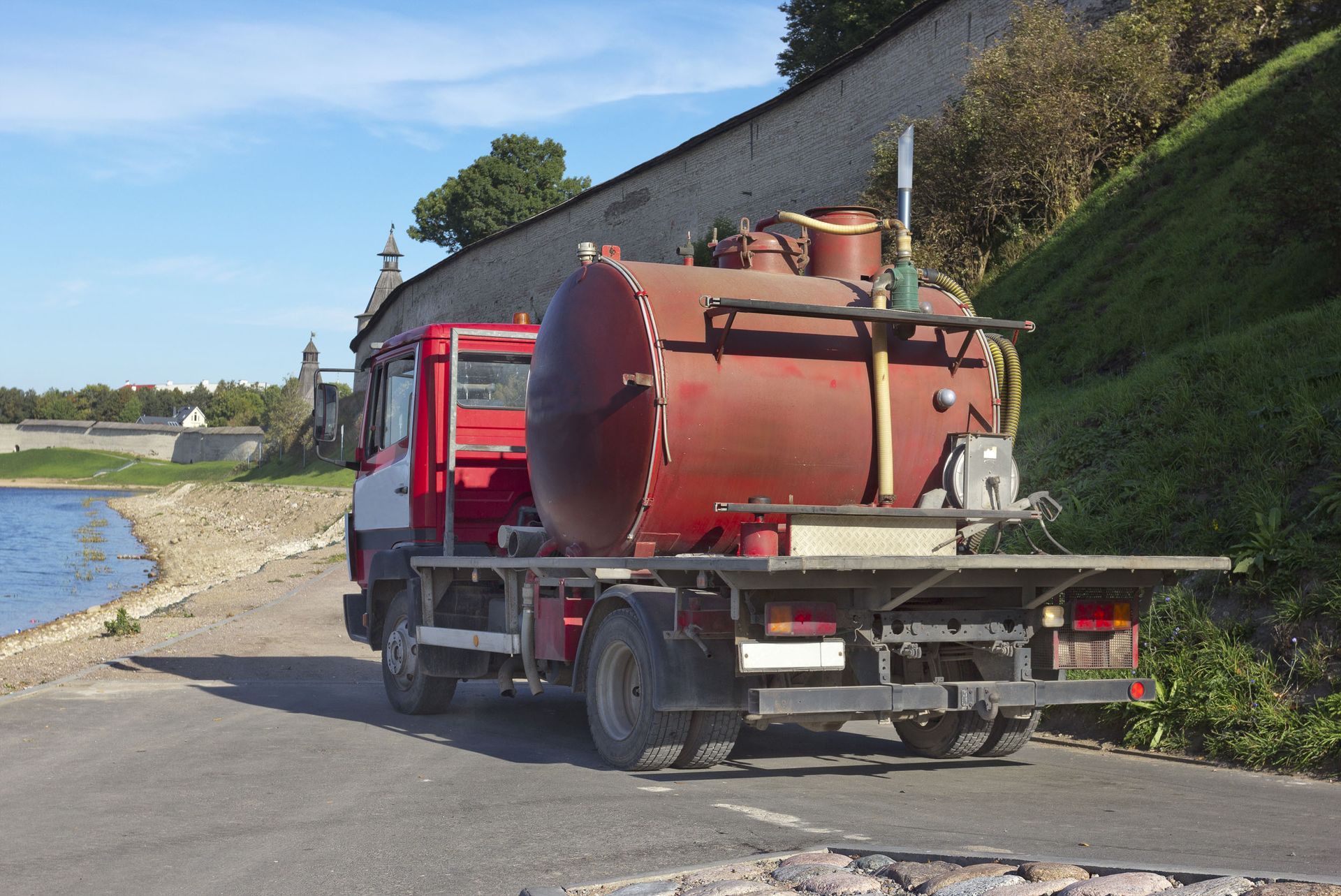
When the remaining contents are determined to be suitable for recovery, professionals may arrange to transfer them into an appropriate approved container or storage system. The method depends on the fuel's condition, the quantity present, and the available equipment.
Recovering usable material can help reduce unnecessary waste. However, not every tank contains fuel that can be reused. Material that has been exposed to water, accumulated sediment, or other contaminants may not meet the requirements for further use.
The transfer process requires appropriate equipment and handling procedures. Professionals account for the possibility of spills and ensure that the receiving container is suitable for the material being transferred.
During an oil tank removal project, fuel recovery is considered alongside the other work involved in taking the system out of service. Addressing the contents before the tank is moved helps prevent unnecessary complications and supports a more organized removal process.
Homeowners should also understand that recovered fuel is not automatically returned to them or delivered elsewhere. Its final destination depends on its condition, applicable requirements, and the arrangements made for the project.
Handling Contaminated Fuel and Tank Residue
Not all leftover material can be recovered for reuse. Older tanks may contain sludge, water, rust particles, and degraded fuel that have accumulated over many years. These materials require appropriate handling because their condition may make them unsuitable for ordinary use.
Sediment can form as particles settle over time, while water may accumulate through condensation or other sources of moisture. Rust and corrosion can also contribute to residue inside older metal tanks.
Professionals evaluate these materials to determine the appropriate disposal method. Depending on the circumstances, the contents may need to be transported to an authorized waste management facility or handled according to specific environmental requirements.
Proper disposal is important because petroleum products and contaminated residues can create environmental concerns if released into the surrounding soil or drainage systems. Following applicable handling and transportation procedures helps reduce these risks.
The condition of the tank can also affect how the remaining contents are managed. A deteriorated or leaking unit may require additional precautions to prevent further releases during the project.
Following Environmental and Safety Requirements
Fuel storage systems require careful management because petroleum products can affect soil and groundwater when released. This is particularly important for underground tanks, where a leak may remain unnoticed until environmental concerns become apparent.
New York property owners should be aware that requirements can vary depending on the tank's location, type, and condition. Local regulations and applicable environmental standards may determine how remaining fuel, contaminated residue, and the tank itself must be handled.
Professional removal services account for these considerations when planning the work. Appropriate containment, transfer equipment, transportation procedures, and disposal arrangements all contribute to responsible handling.
An oil tank removal project may also involve evaluating the surrounding area for signs of leakage or contamination. If a release is suspected or discovered, additional assessment and remediation procedures may be necessary. The appropriate response depends on the extent of the issue and applicable environmental requirements.
Taking these factors into account helps property owners address the project responsibly while reducing the potential for complications.
Preparing the Property for Tank Removal
Once the remaining contents have been addressed, the project can proceed with the next stages of oil tank removal. The specific process depends on whether the tank is aboveground or underground, its size, its condition, and the accessibility of the installation area.
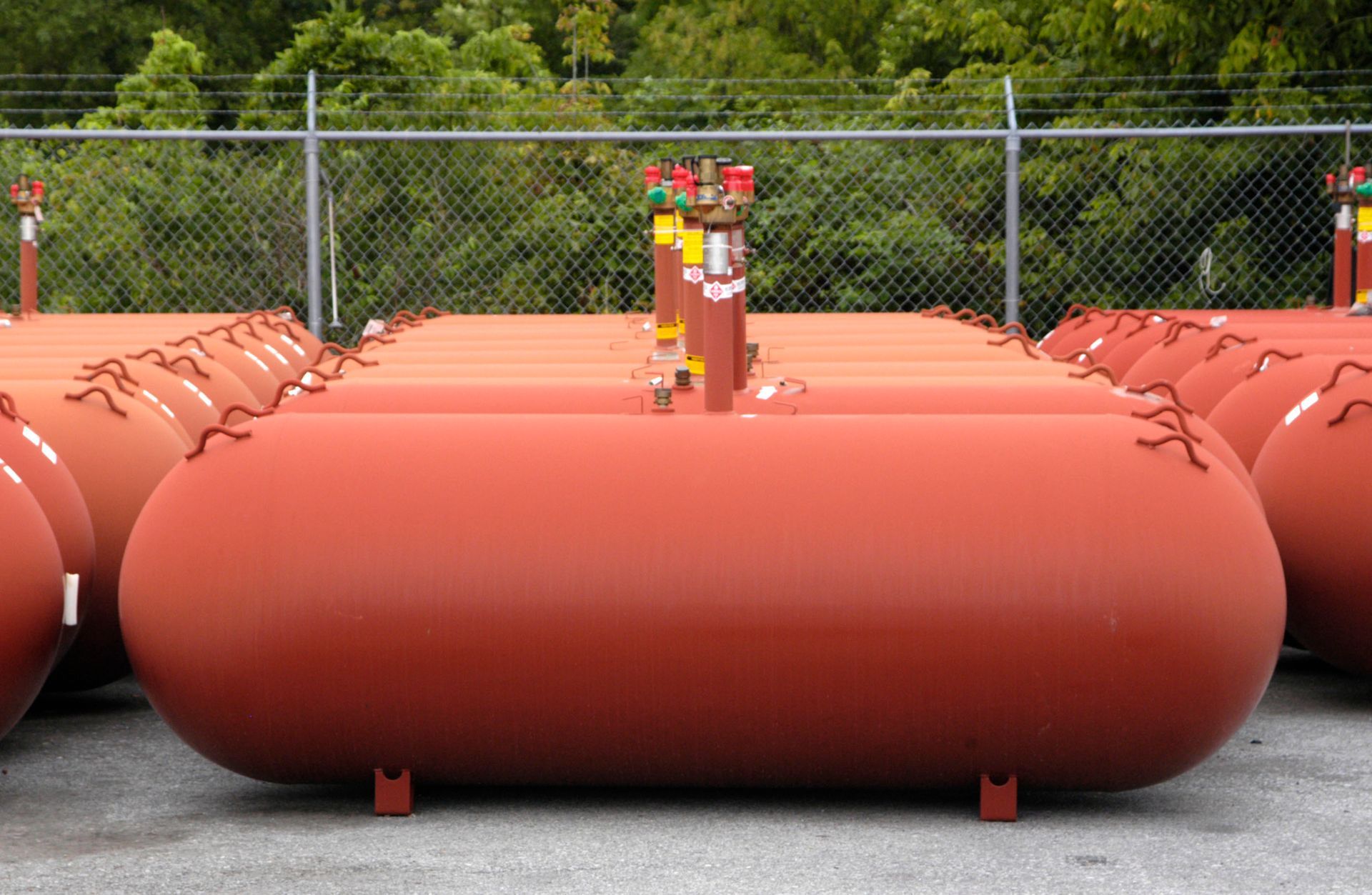
Aboveground tanks may require disconnection and preparation before they can be removed from the property. Underground installations may involve excavation to expose the tank before it can be safely accessed and taken out.
In either situation, professionals consider nearby structures, utility lines, access limitations, and site conditions. These details help determine the equipment and preparation needed for the work.
After the tank has been removed, the surrounding area may require additional inspection. For underground installations, evaluating the exposed excavation area can help identify visible signs of leakage or soil concerns. If contamination is present, further steps may be needed before the area can be restored.
For homeowners planning a replacement, oil tank removal can also create an opportunity to install a newer tank that better suits the property's current requirements. Coordinating the removal and replacement stages can help keep the project organized.
Understanding what happens to leftover fuel can help homeowners make more informed decisions before an old storage system is removed. The process involves evaluating the remaining contents, determining whether any material can be recovered, and arranging appropriate disposal for fuel or residue that cannot be reused.
These steps are important whether a tank is being removed because of age, property improvements, or plans to install a replacement. Tank Specialists Plus, LLC provides tank installation, removal, and replacement services for property owners throughout New York, with attention to the requirements of each project. Contact the team to discuss your tank removal needs and plan the next steps for your property.

Share On: